Executive Orders: The Ultimate Guide To Understanding Presidential Authority - Throughout history, the use of executive orders has expanded as presidents have sought to assert their authority in various areas. This evolution has sometimes led to clashes with Congress and the judiciary, raising questions about the proper balance of power within the federal government. Executive orders can be categorized into several types based on their purpose and scope. These include administrative orders, which focus on managing the executive branch; policy orders, which implement or enforce laws; and ceremonial orders, which are symbolic in nature. Each type serves a distinct function within the framework of presidential authority.
Throughout history, the use of executive orders has expanded as presidents have sought to assert their authority in various areas. This evolution has sometimes led to clashes with Congress and the judiciary, raising questions about the proper balance of power within the federal government.
In conclusion, executive orders are a vital component of the U.S. political system, allowing presidents to take swift action on important issues while managing the operations of the federal government. While they offer significant benefits, executive orders also come with limitations and challenges that require careful consideration and oversight.

Executive orders derive their authority from Article II of the U.S. Constitution, which grants the president the power to "take Care that the Laws be faithfully executed." This clause provides the foundation for the president's ability to issue executive orders, as long as they align with constitutional principles and existing laws.
While the process may seem straightforward, the drafting and implementation of executive orders often involve extensive consultation with legal experts, agency officials, and other stakeholders. This ensures that the order is legally sound and feasible to implement.
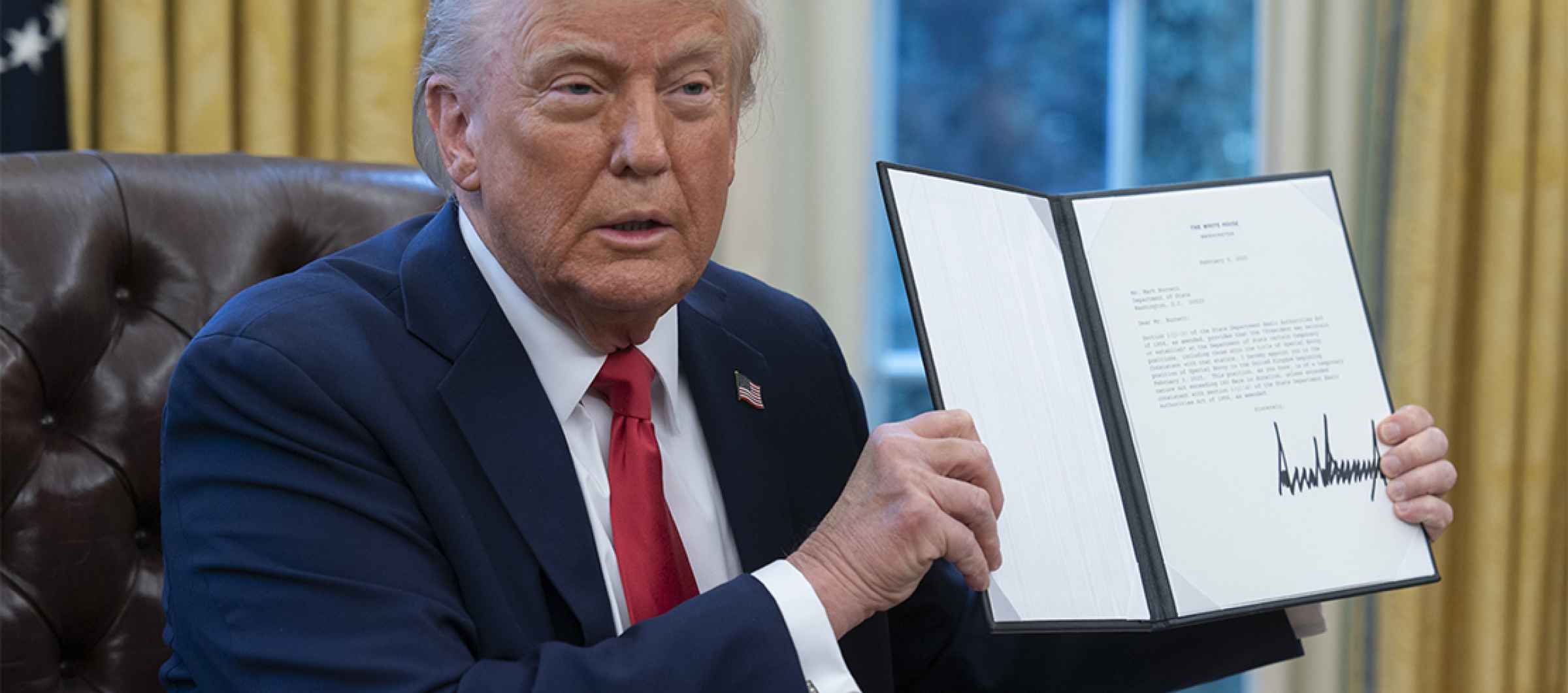
Issuing an executive order involves several steps, beginning with the drafting of the order by the president or their advisors. Once the order is finalized, it must be signed by the president and published in the Federal Register to become effective. This publication ensures transparency and allows the public to review and understand the order's contents.
Executive orders are official directives issued by the President of the United States that have the force of law. They allow the president to manage the operations of the federal government, direct federal agencies, and implement policies without requiring congressional approval. While they are powerful tools, executive orders must be rooted in the president's constitutional authority or existing statutes.
Executive orders are an essential tool used by presidents to direct the operations of the federal government, enforce laws, and implement policies. These legally binding directives have been a part of the U.S. political system since the founding of the nation, allowing presidents to take swift action on important matters without waiting for congressional approval. However, executive orders remain one of the most debated and controversial aspects of presidential power, often sparking debates about their scope, limits, and implications for democracy.
We encourage readers to share their thoughts and insights in the comments section below. Additionally, feel free to explore other articles on our site for more in-depth analysis of topics related to governance and public policy. Together, we can deepen our understanding of the complexities of American democracy and its institutions.
Congress also has the power to nullify executive orders through legislation, although this requires overcoming potential presidential vetoes. These checks and balances ensure that executive orders remain within the bounds of constitutional governance.
Throughout U.S. history, several executive orders have had a profound impact on the nation. Among the most notable are:
In the years to come, the use of executive orders will likely continue to shape public policy and influence the direction of the country. By understanding their history, legal basis, and limitations, we can better appreciate their role in the American political system.
The use of executive orders dates back to the early days of the United States, with George Washington issuing the first known executive order in 1789. Over time, presidents have used executive orders to address a wide range of issues, from national security to civil rights. The practice has evolved significantly, reflecting changes in the political landscape and the scope of presidential power.